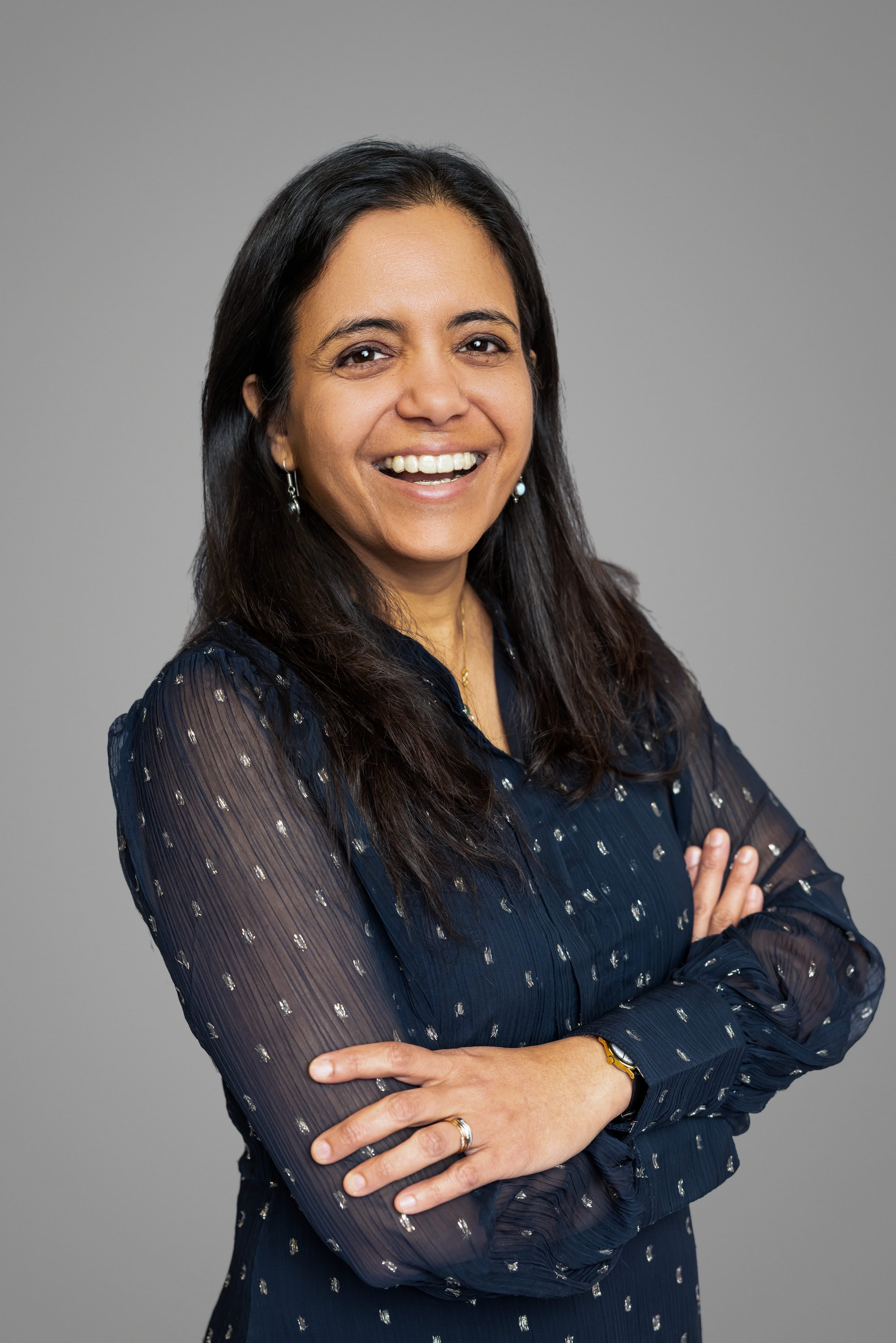
Seetha
Ramanathan, MD
Women's mental health, suicide prevention, and systems design at the intersection of evidence, equity, and innovation.
Consulting Pillars
Strategic advice across four key domains to strengthen mental-health systems.
Women’s Mental Health
Reproductive and hormonal transitions, perinatal mental health, and women-centered models of care that integrate evidence, lived experience, and system-level thinking.
Suicide Prevention
Designing and evaluating suicide-prevention pathways, screening systems, and Zero Suicide–aligned initiatives in clinical and community settings.
Digital Mental Health & AI
Advising teams on the clinical integration, safety, and equity considerations of digital tools and AI-enabled decision support.
Community Psychiatry
Strategies for safety-net and community settings, including addiction care integration, workforce development, and task-sharing models.
About Dr. Seethalakshmi (Seetha) Ramanathan
Dr. Seetha Ramanathan is a board-certified adult psychiatrist whose career spans women’s mental health, suicide prevention, addiction, community psychiatry, digital innovation, and health systems design.
She has held leadership positions across India and the United States, contributing to academic medicine, safety-net healthcare systems, and multidisciplinary research collaborations.
Professional Leadership & Program Development
Dr. Ramanathan founded the Division of Women’s Mental Health at SUNY Upstate Medical University, where she developed comprehensive programs addressing mental health across the reproductive lifespan. She pioneered community-based, task-sharing approaches for perinatal depression using community health workers (CHWs) and led the adaptation and evaluation of the Thinking Healthy intervention.
Her leadership includes system-wide suicide-prevention work through multiyear Zero Suicide initiatives implemented in both academic and community settings. She has served as a statewide educator for New York State Project TEACH and as a member of the New York State Maternal Mortality Review Board.
Dr. Ramanathan’s research portfolio includes contributions to NIH- and VA-funded studies on reproductive transitions, ADHD, and suicide prevention. Earlier in her career, she participated in several phase II–IV clinical trials in psychiatry and neurology—including industry-sponsored studies in obsessive–compulsive disorder, panic disorder, schizophrenia, and epilepsy. These formative experiences helped shape her enduring focus on real-world implementation, clinical safety, and patient-centered systems design.
Women’s Mental Health
Reproductive and hormonal transitions, perinatal mental health, and women-centered models of care.
Focus Areas
- ●Perinatal mood and anxiety disorders (PMADs)
- ●Premenstrual disorders & reproductive transitions
- ●Menopause and neuropsychiatric outcomes
- ●Integration into primary care and OB/GYN settings
- ●Task-sharing and CHW-delivered interventions
- ●Capacity building (ASSIP Trainer; Thinking Healthy)
How I Work
I collaborate with health systems, academic departments, and community partners to strengthen women’s mental-health services. My approach includes program design, workforce development, implementation planning, training, and evaluation. As both a Thinking Healthy Trainer and an ASSIP Trainer & Supervisor, I support teams in adopting evidence-based and scalable interventions mindful of real-world constraints.
Suicide Prevention
Designing and evaluating pathways, screening systems, and Zero Suicide–aligned initiatives.
Focus Areas
- ●Systems-level suicide-prevention pathways
- ●Zero Suicide implementation & Quality Improvement
- ●Screening and risk assessment
- ●Frontline clinician training
- ●Suicide risk across reproductive transitions
- ●Brief interventions (ASSIP Trainer/Supervisor)
How I Work
I support organizations in evaluating suicide-prevention practices, identifying workflow and system-level gaps, and implementing evidence-informed improvements. In my role as an ASSIP Trainer and Supervisor, I help clinical teams adopt brief interventions that emphasize therapeutic alliance, narrative reconstruction, and safety-focused care pathways.
Digital Mental Health & AI
Advising on clinical integration, safety, and equity considerations of digital tools.
Focus Areas
- ●AI-assisted clinical decision support
- ●Equitable deployment of AI in psychiatry
- ●Workflow integration of digital tools
- ●Digital innovation in women’s MH
- ●Data-informed triage & risk stratification
How I Work
I advise cross-functional teams—including clinician leaders, engineers, product teams, and data scientists—on the design, evaluation, and implementation of digital and AI tools that align with clinical workflows, safety standards, and equity principles.
Community Psychiatry
Strategies for safety-net settings, addiction care integration, and workforce development.
Focus Areas
- ●Safety-net mental-health systems
- ●Addiction treatment integration
- ●CHW and task-sharing models
- ●Workforce development and resilience
- ●Structural, policy, and systems-level approaches
How I Work
I assist organizations in designing programs and policies that address structural, clinical, and operational barriers to care. My approach emphasizes feasibility, sustainability, and alignment with real-world workforce and system constraints.
Methodology
How I Work
Evidence First, Context Always
Recommendations draw on evidence while matching the realities of workforce, resources, and population needs.
Implementation Science Lens
I help organizations move interventions from 'concept' to 'practice' with attention to feasibility, fidelity, and outcomes.
Equity and Lived Experience
Care models account for structural determinants, stigma, and the needs of marginalized communities.
Digital Innovation With Guardrails
I support responsible adoption of digital and AI tools—focusing on fairness, transparency, and clinical safety.
Collaborative Partnership
I work alongside teams to co-design solutions and build internal capacity for sustainable change.
Advisory &
Consulting Services
Tailored strategic support for organizations driving change in mental healthcare.
Who I Work With
Health Systems & Academic Centers
- Women’s mental-health program design
- Suicide-prevention pathways
- Addiction integration models
Global Health Organizations & NGOs
- CHW and task-sharing models
- Perinatal and women’s mental health
- Suicide-prevention systems
Payors & Population Health Teams
- Aligning interventions with quality metrics
- Evaluating program impact and feasibility
- Outcome measurement strategies
Digital Health & AI Teams
- Clinical & ethical advisory for AI in psychiatry
- Workflow integration strategies
- Adoption and safety guardrails
Engagement Formats
Selected Work & Grants
🏆Federal & Foundation Grants
Selected Publications & Talks
- Zero Suicide 5-Year ImplementationLessons From an Academic Health System — PRCP (2025)
- Factors Associated with 911 and 988 UseCommunity Mental Health Journal (2025)
- Thinking Healthy AdaptationAPA Annual Meeting Poster (2025)
- Invited TalksCollaborative Approaches to Managing Perinatal Depression - ObGYN ECHO (2024)Perinatal Mental Health: Global Programs Inspire Local Care - 4th Annual Kingston Syracuse Pathway Conference (2025)
Media & Engagement
- ›The Washington Post — Featured in coverage on NY suicide rates (2020)
- ›The Informed Patient Podcast — SUNY Upstate
- ›WCNY Cycle of Health — Suicide Prevention feature
- ›WSTM/CNY Central — FDA Approval of First Postpartum Depression Pill
Get in Touch
Let's Collaborate
I partner with health systems, payors, and organizations to design equity-driven mental health strategies. Reach out to discuss advisory or consulting opportunities.